Air hammers
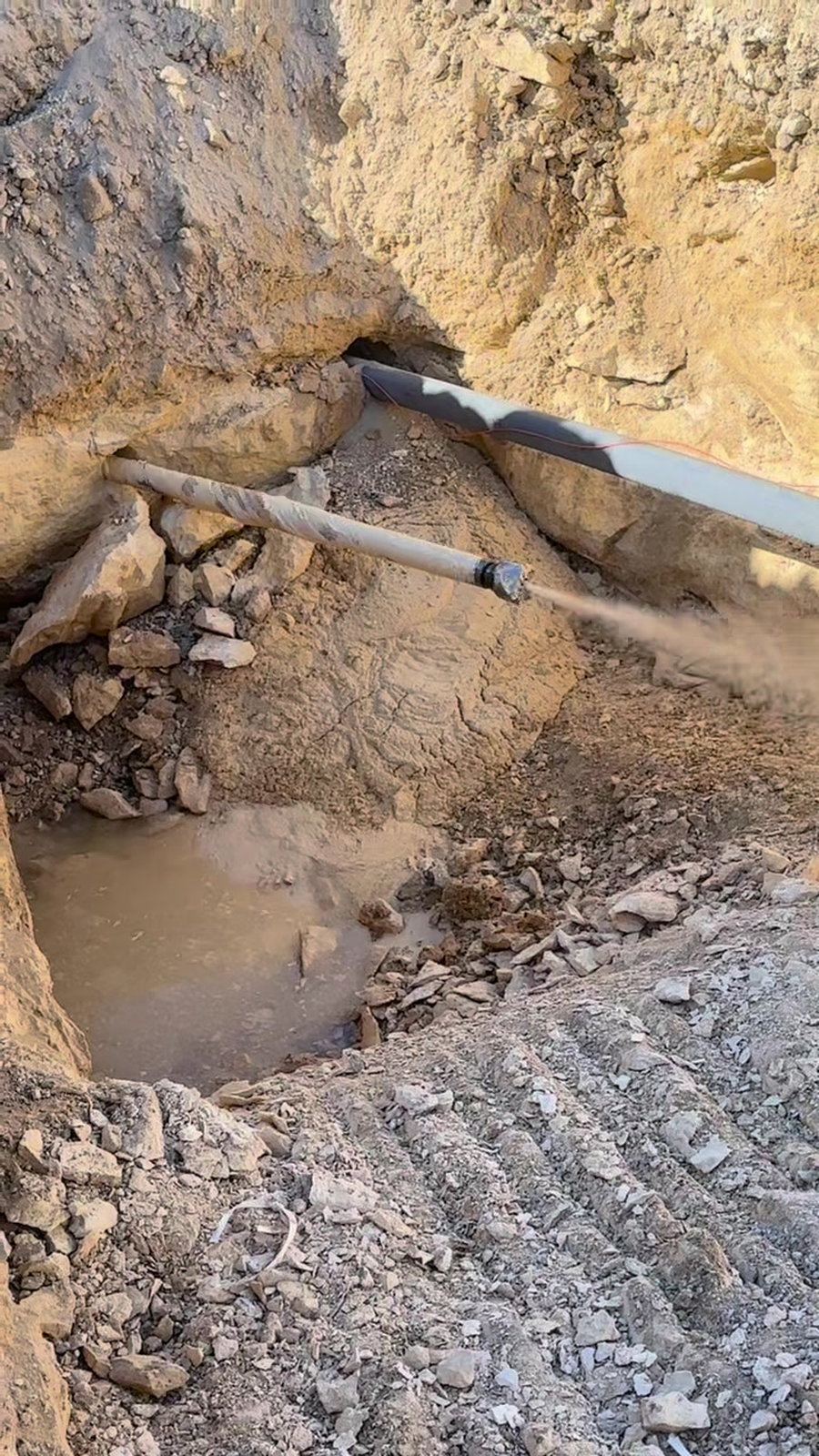
A percussion hammer at the drill head that breaks rock by rapid impact, typically with air. The clip on this page is an air hammer coming through a rock face during pullback.

When the bore path hits rock, we come prepared. Rock boring is a specialty of ours — not a surprise on the job. We run the downhole tooling the formation calls for, from air hammers to mud motors, rock bits and hole openers, so a directional bore can keep moving when the ground is no longer dirt.
Standard dirt tooling has a limit. Past that, the job needs a rock plan: the right head, the right fluid or air, and a crew that has done this before. That is HDD work — a rock hammer belongs on a directional bore, not on a trench.
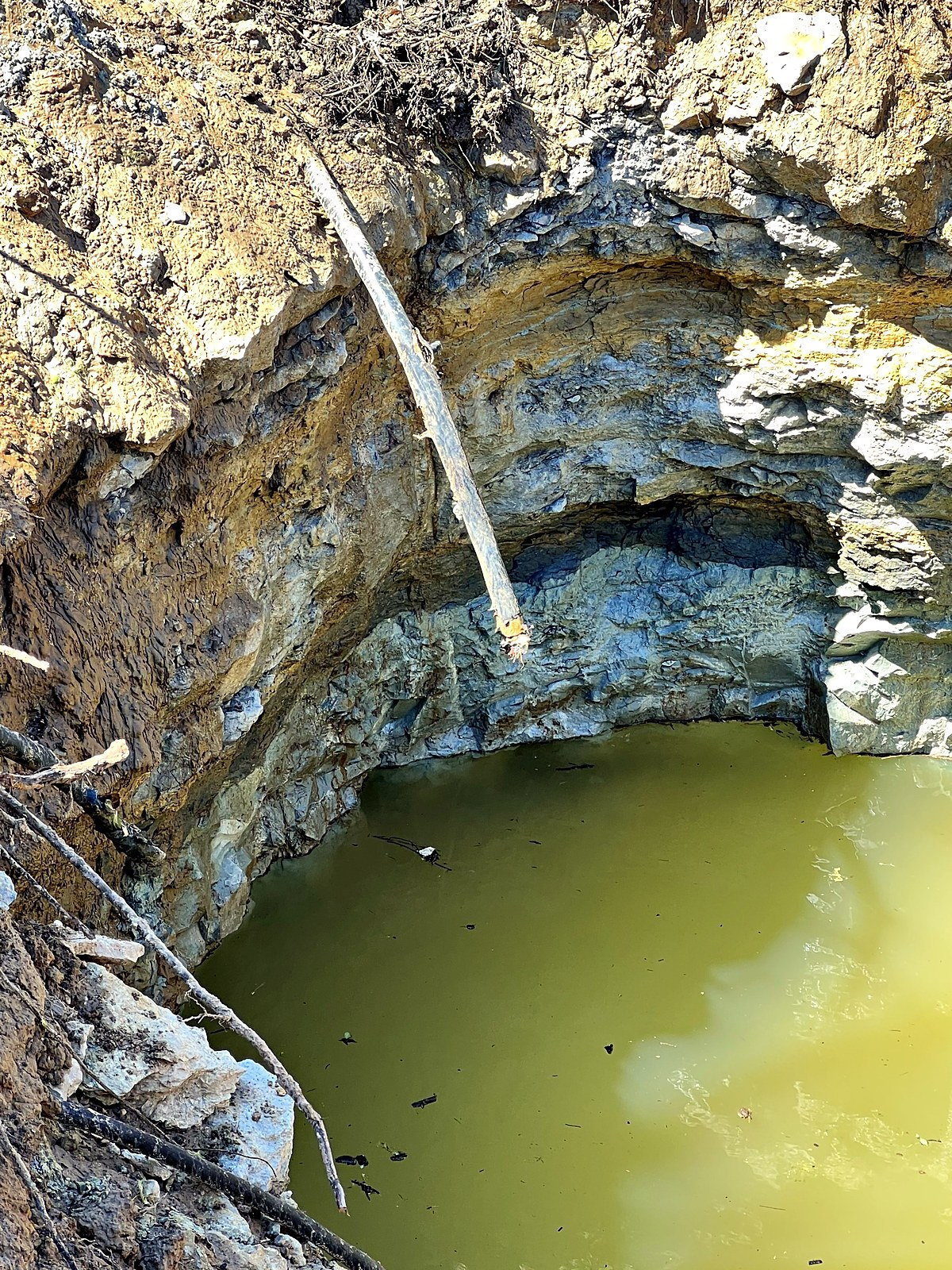
One job may use an air hammer. The next may need a mud motor and a different bit. We keep a range of rock tooling ready so the method can follow the formation, not the other way around.
A percussion hammer at the drill head that breaks rock by rapid impact, typically with air. The clip on this page is an air hammer coming through a rock face during pullback.
A downhole mud motor turns a rock bit at the head, so the bore can stay on line in hard ground when rotation at the bit is the better method.
Roller-cone (tricone) bits and PDC bits are the common cutting faces we run on rock assemblies, chosen to match the formation.
After the pilot bore, the hole is opened with reamers or hole openers built for rock, so the product line can follow the same path.
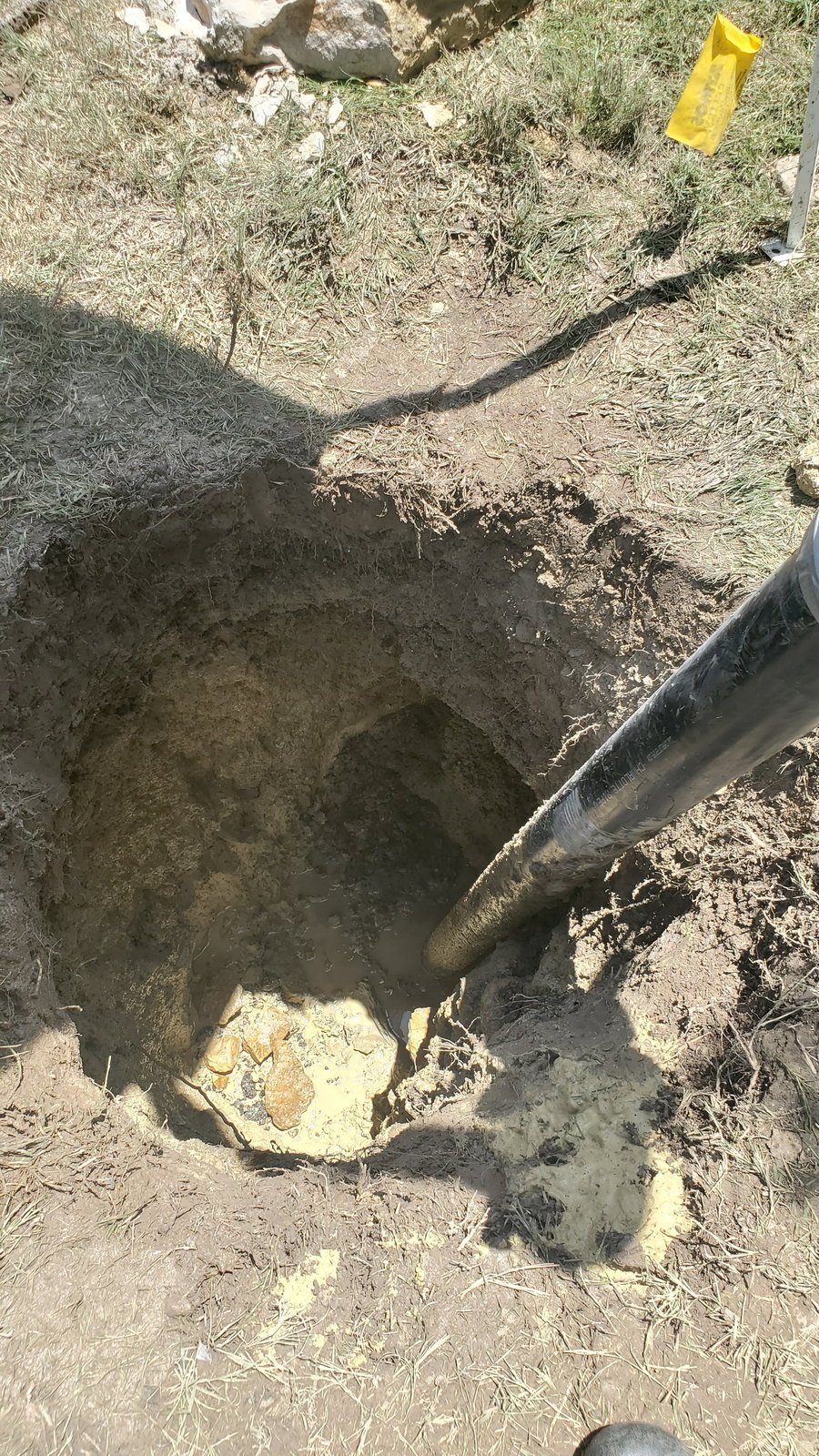
A look at rock in the bore path — the head coming through, the product line beside it, and the kind of ground this tooling is built for.
Commercial projects only. Fill out the quick form or give us a call — we’ll take it from there.