
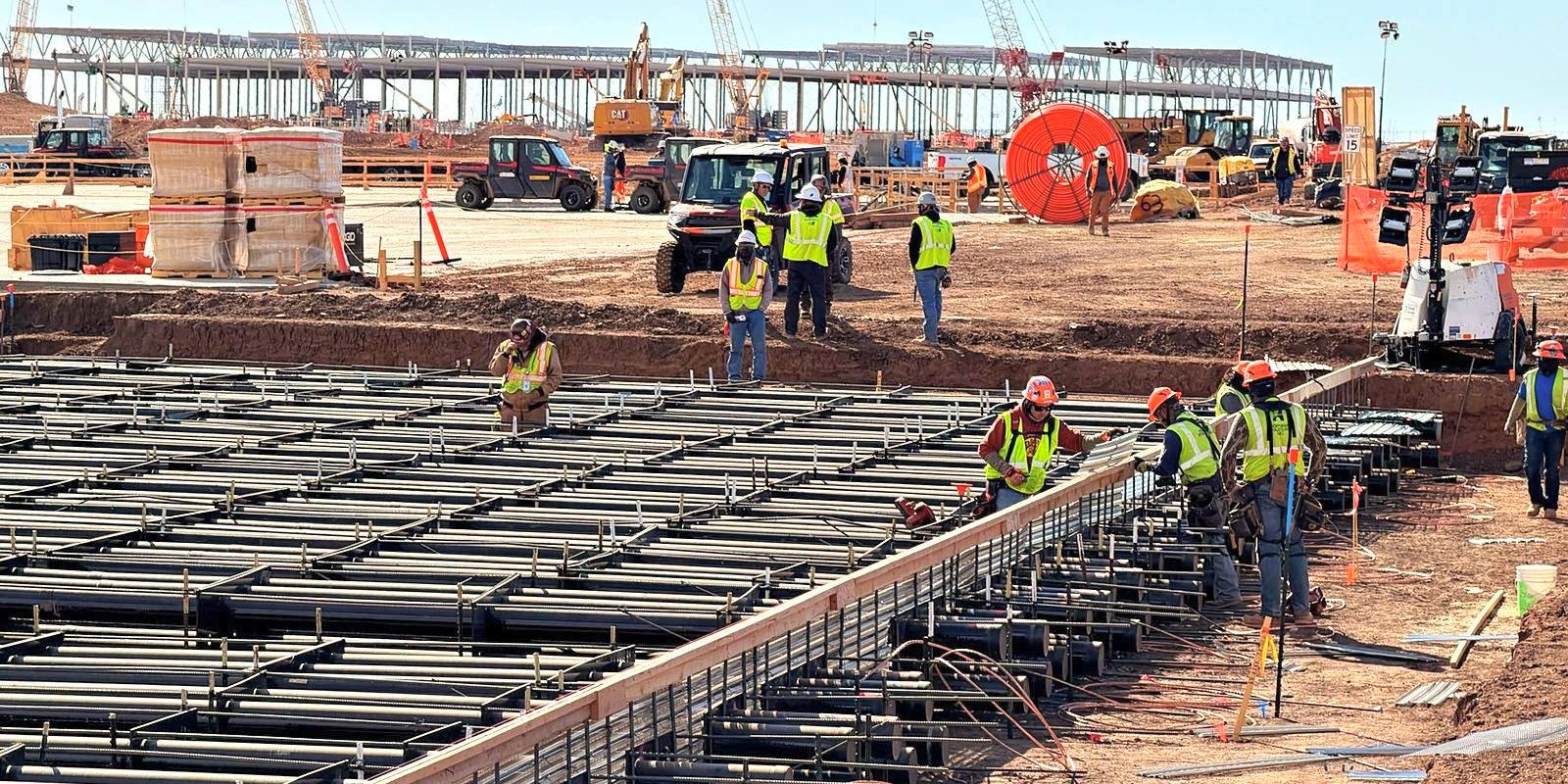
Site-specific safety plans, trained crews and well-kept equipment, built for commercial and industrial work wherever the job is. General contractors and owners get the paperwork they request before we mobilize.
Underground work puts people next to buried utilities, heavy equipment and live traffic. We plan every bore around that, with a written plan, a clear routine and a stop-work rule for anyone on the crew.
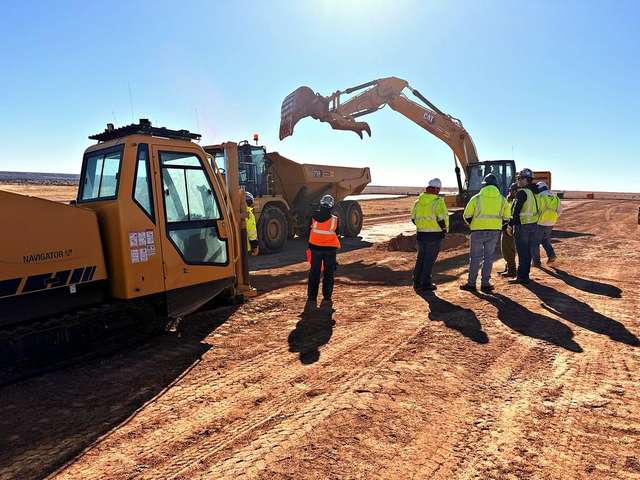
Our crews work to federal construction safety standards on every commercial and industrial job. The basics for underground work are part of the daily routine, not an afterthought.
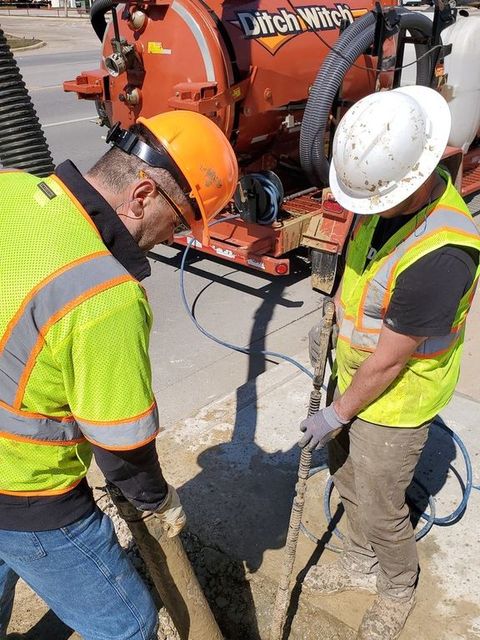
Excavations are inspected and protected, with a designated lead on site.
Entry procedures, air monitoring and rescue planning for vaults and manholes.
Hard hats, high-visibility clothing, eye and hearing protection, gloves and safety boots on every site.
Safety data sheets and clear labeling for drilling fluids and site chemicals.
Locates, utility marking and verified potholing before the bore, so buried lines are found, not guessed.
Work zones, signs and flagging set up to suit the road and the project.
Pre-use inspections, lock-out procedures and trained operators on every machine.
Near misses and incidents are reported, reviewed and shared so they don’t repeat.
Railroads set a high bar for anyone working near their right-of-way. Our crews are trained to meet it, so crossings can move forward smoothly.
Boring on or near mine and quarry property calls for its own training. Texas Hawk crews train to MSHA (Mine Safety and Health Administration) Part 48B, the most comprehensive level of mine safety training.
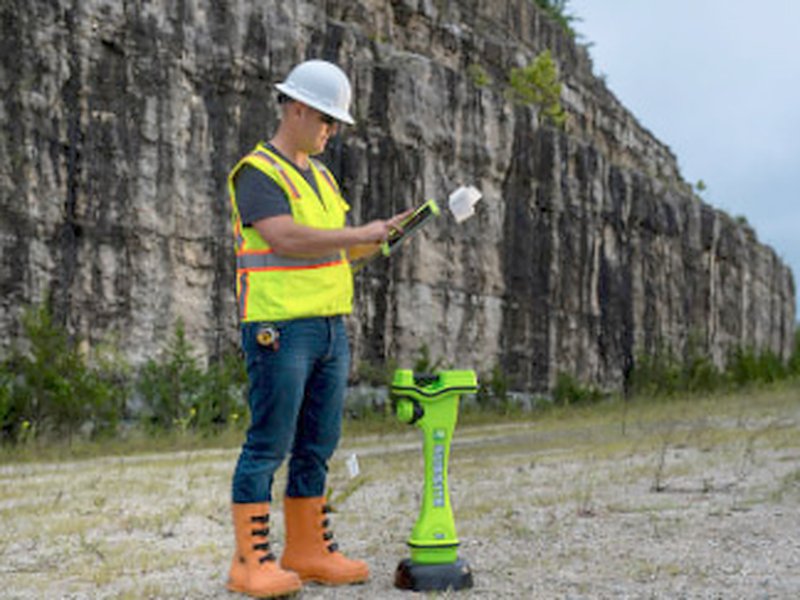
Our underground crews are trained on the job and through continued classes, so the right skills are on every site.
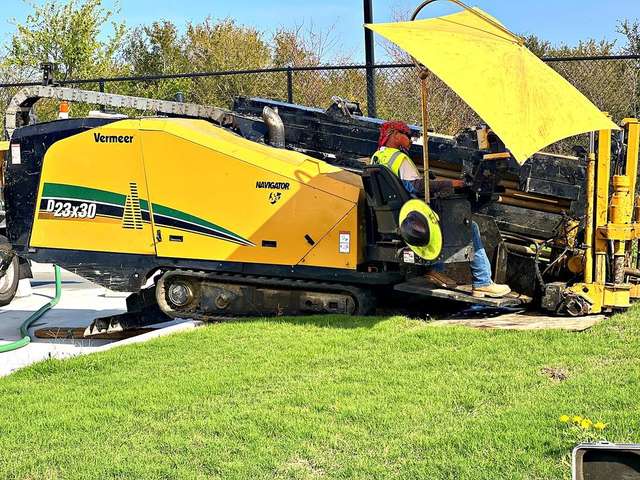
Construction safety training for crew members and supervisors.
Safety training for working near railroads, where the railroad requires it.
Trained locating and potholing crews who verify what is underground.
Work-zone setup and flagging training for jobs along live roads.
Crew members who know how to respond until help arrives.
Operators trained on bore-tracking technology and drill rig operation.
We confirm the qualifications that apply to your job before work begins.
We write site-specific safety plans and keep the documents general contractors and owners ask for. Everything is available on request.
Written for each project: scope, hazards, emergency contacts and site rules.
A named lead on every job for excavation safety, documented before work starts.
Task-by-task hazard reviews for the bore, potholing, fluid handling and traffic control.
Job briefing records, equipment inspection logs and locate records, kept for every project.
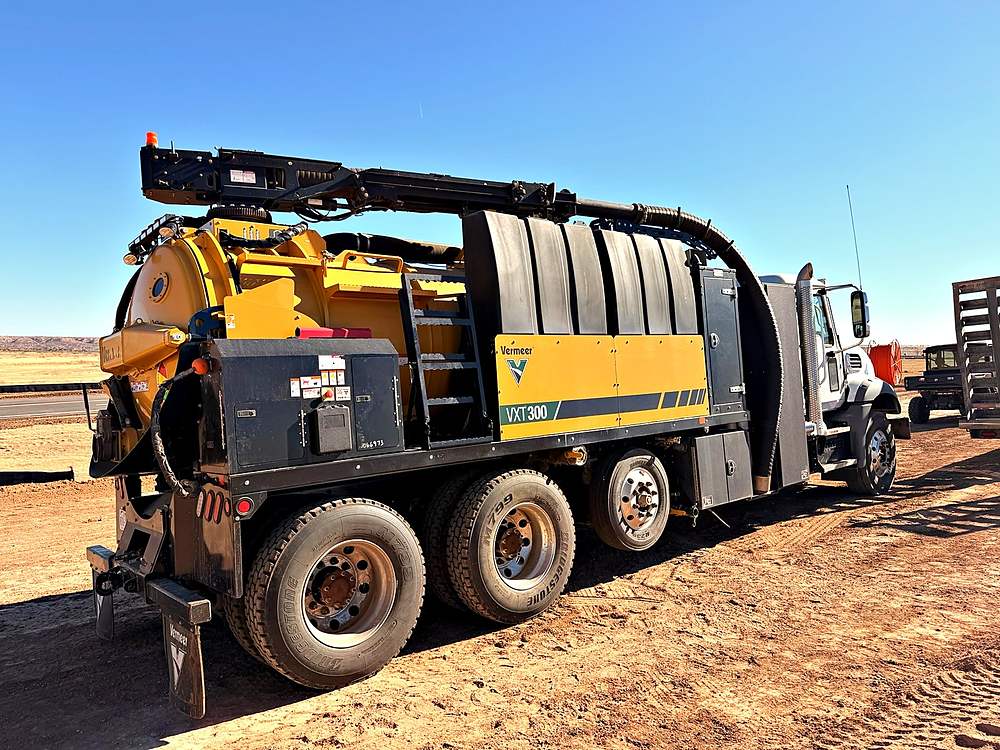
Looking for our rigs, hydrovac trucks and support equipment? See the Equipment page →
We carry the commercial and industrial coverage our work requires, with certificates of insurance available before we mobilize. Our work is commercial and industrial only, which is what our coverage and our crews are built for.
We confirm each owner’s insurance requirements and provide certificates before work begins.
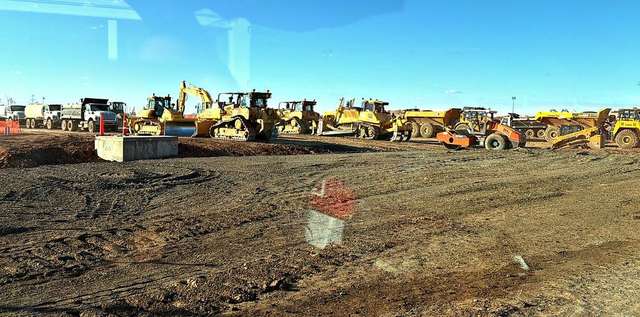
A consistent routine, adjusted to each project’s requirements, from a short utility bore to a large industrial campus.
Review plans, utilities, access and the owner’s site rules. Write the site plan before mobilizing.
Utility locates, marking and potholing to verify what is underground.
The crew reviews hazards, roles, traffic control and the emergency plan before work begins.
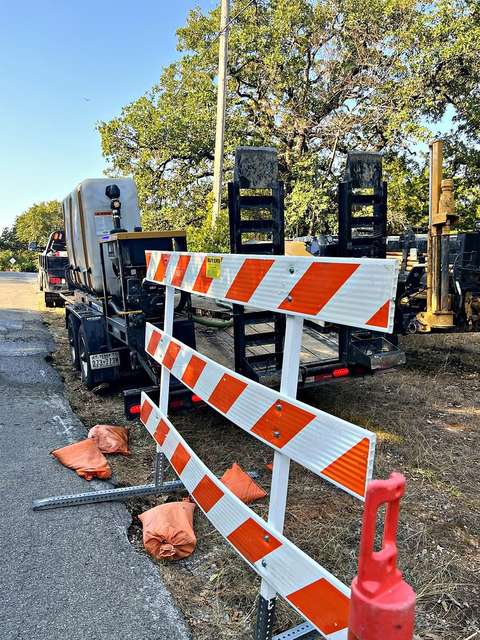
Barricades, cones, flagging and fencing set up before the rig starts.
Bore tracking monitors depth and path in real time.
Drilling fluid is managed and contained, with spill materials on site.
Regular checks on rigs, vac trucks and tools. Anything unsafe is tagged out.
Site restored, records handed over and lessons shared with the crew.
Commercial projects only. Fill out the quick form or give us a call — we’ll take it from there.